
Why Early Intervention Matters for Young People’s Mental Health
Early intervention means providing support for a young person before their challenges turn into major crises. It’s a preventative approach that addresses mental health or emotional issues at the first signs, rather than waiting until problems become severe. This matters because half of all mental health conditions begin by the age of 14. If we delay help, young people may struggle through their critical school years and adolescence with untreated issues, leading to consequences like dropping out of school, substance misuse, or worse. By contrast, offering support early can alleviate enormous suffering and set up youth for success. When young people get help promptly, they recover more quickly, stay engaged in education, form positive relationships, and lead more productive lives.
Importantly, mental health challenges are often easier to address in their early stages. Just as catching a physical illness early improves the prognosis, the same is true for depression, anxiety, or behavioral problems. Early intervention acts as preventative support, building coping skills and emotional resilience so that young people can handle life’s stresses before they snowball. Timely care can prevent more serious mental health problems from developing. For example, identifying and supporting a teen with emerging anxiety might prevent the development of severe panic disorder or self-harm down the line.
Early help is not only vital for the individual, but it also reduces strain on families, schools, and healthcare systems. Commissioners and policymakers are increasingly recognizing that investing in early intervention youth mental health services pays off. By strengthening emotional wellbeing early, we can reduce the need for intensive services later (like emergency hospital admissions or long-term therapy). This shift toward proactive, community-based care — in schools, youth clubs, and online — creates a safety net so that young people get help in familiar environments before issues escalate. Ultimately, early intervention for young people is about changing trajectories: catching a fall before it happens and guiding a young person toward a healthier path.

How Wellbeing Programmes Transform Outcomes for Young People
Wellbeing programmes are structured mental health support initiatives (delivered one-on-one, in groups, or digitally) that focus on nurturing a young person’s overall emotional health. These programmes might include counseling sessions, workshops on coping skills, mentorship, or digital learning modules on wellbeing. When designed well, they have a remarkable impact on youth outcomes.
Participants often learn how to manage anxiety, regulate their emotions, and build healthy coping strategies that last a lifetime. Holistic early support can dramatically reduce the need for further crisis intervention. Wellbeing programmes can truly transform life trajectories, keeping young people in school and at home rather than in hospitals.
Beyond immediate mental health improvements, early intervention programmes create ripple effects in other areas of a young person’s life. They often see better engagement in school and community life, improved behavior, and stronger relationships. By improving emotional regulation and coping skills, these supports strengthen young people’s resilience and ability to handle challenges. Early intervention can also reduce risky behaviors and choices – for example, leading to lower rates of substance use or self-harm among participants.
It’s also worth noting the economic and societal benefits of early mental health support. When young people avoid severe crises, there are savings in healthcare costs and social services down the line. In other words, investing in wellbeing programmes today not only helps young people immediately, but also pays dividends in the form of a healthier, more resilient generation.

Key Features of Effective Early Intervention Programmes
Not all youth programmes are created equal. The most effective early intervention and wellbeing programmes incorporate certain key elements that drive their success. Many of these are central to NXG Thrive’s approach – a specialist youth wellbeing provider – illustrating what modern, evidence-based support looks like in practice.
Personalised Digital Wellbeing Journeys
Every young person’s mental health journey is unique, so a “one-size-fits-all” approach rarely works. Leading wellbeing programmes therefore create personalised journeys for each participant. This often involves digital platforms that tailor content and support to the individual’s needs and progress.
NXG Thrive’s digital platform provides each young person with a secure space to access therapy sessions, interactive resources, and self-guided activities at their own pace. Practitioners can assign digital wellbeing programmes tailored to the issues a particular youth is facing. The platform also includes goal-setting tools so that the young person can set personal goals and track their progress over time.
Digital delivery allows support to extend beyond the school or clinic walls. A young person can access help via their phone or laptop after school, on weekends, or whenever they’re feeling low. The key is that technology is used in a supportive way: the best programmes combine digital innovation with human care. NXG Thrive uses a hybrid approach, mixing in-person counseling or group workshops with digital follow-ups and check-ins.
Group Programmes and One-to-One Support
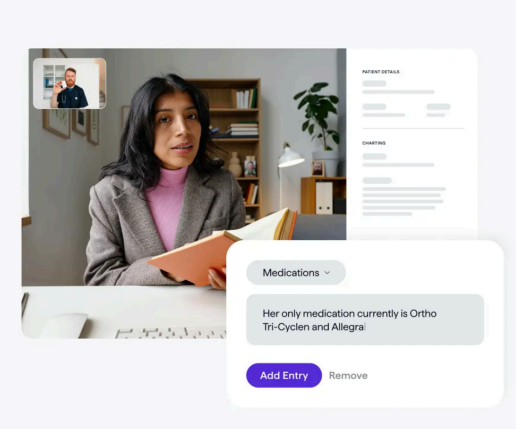
Another hallmark of effective youth wellbeing programmes is offering multiple formats of support, primarily both group-based programmes and one-to-one interventions. Each format has its unique benefits, and together they provide a well-rounded support system.
Group programmes allow young people to realize they are not alone in what they’re going through. These sessions often build camaraderie and peer empathy. NXG Thrive runs group programmes on topics like resilience, managing anxiety, or improving parent-teen communication. These activities help youths practice social skills and support each other, creating a sense of community.
At the same time, one-on-one support remains crucial. Individual counseling provides a private space where a young person can open up about personal issues in depth. NXG Thrive offers one-to-one counseling delivered by qualified practitioners both in-person and via secure video calls.
Some might start in a group and then be referred to one-on-one counseling; others might prefer a few individual sessions first and then join a skills group. NXG Thrive includes family support in its service offer, recognizing that helping the whole family system leads to better outcomes.
Journaling and Habit Tracking Tools
Self-reflection and consistent healthy habits are key to sustaining mental wellness. That’s why many youth wellbeing programmes incorporate journaling and habit tracking as core features.
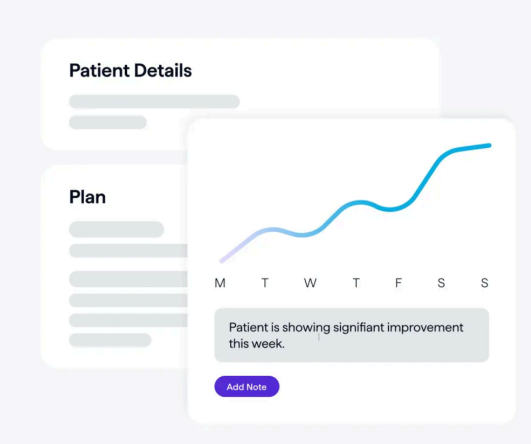
Journaling gives young people a private outlet to express their thoughts and feelings. Even a simple daily prompt can train the brain to focus on positives and build emotional resilience over time. Participants using the NXG Thrive digital platform can write reflective journal entries about their day or in response to counseling sessions.
Alongside journaling, habit tracking tools help young people build and maintain healthy routines. Small daily habits – like practicing a breathing exercise or getting enough sleep – have a big impact. NXG Thrive’s platform includes goal-setting and progress tracking features to help make these actions stick.
By embedding journaling and habit tracking, wellbeing programmes empower youth to take an active role in their mental health journey.
Measuring Engagement and Outcomes
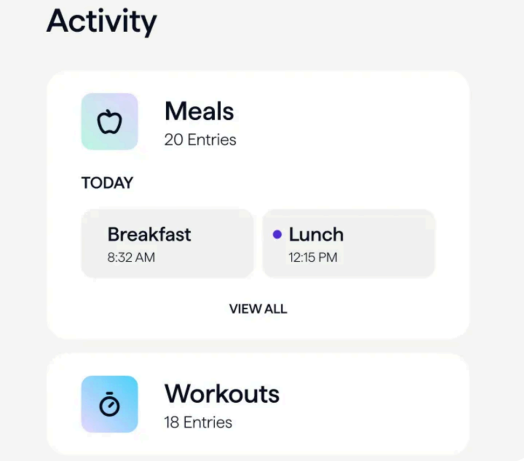
A critical feature of any successful wellbeing programme is the ability to measure engagement and outcomes. This ensures accountability, helps practitioners tailor support, and celebrates progress.
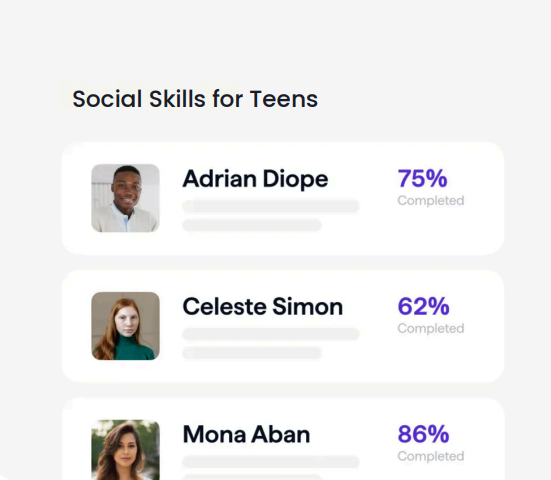
Modern digital platforms make tracking much easier. NXG Thrive provides engagement reporting and outcomes tracking as part of its service. Schools, care homes or commissioners partnering with NXG Thrive receive clear data on usage and impact.
NXG Thrive’s reporting framework captures key outcomes such as improvements in emotional wellbeing, changes in behavior, and feedback from the young person and their family. With concrete outcome data, practitioners can demonstrate the effectiveness of early intervention to stakeholders.
Conclusion: Early Intervention as a Catalyst for Change
Early intervention isn’t just a buzzword in youth mental health – it’s a proven approach that changes lives. By intervening early with comprehensive wellbeing programmes, we can help young people build emotional resilience, overcome challenges, and thrive into adulthood.
For commissioners, educators, parents, and clinicians, the message is simple. Investing in early intervention for young people is one of the most impactful choices we can make.
If you’re interested in bringing these kinds of transformative wellbeing programmes to the young people in your community or service, contact the NXG Thrive team to learn more. As a framework-approved youth wellbeing provider, NXG Thrive can help design and deliver personalised digital journeys, group and 1:1 support, and robust tracking to ensure every young person gets the early intervention they need to truly thrive.